%2Ffit-in%2F250x250%2Fguide_websites%2F1093%2Fimages%2F1770233820328character.png&w=1920&q=100)
Crevalle Jack Fishing in Jacksonville FL
Crevalle Jack Fishing in Jacksonville - What to Expect
%2F%2Fusers%2F94ef273c-5585-4b77-86e5-2e3540c9d2e9%2Fimages%2Fcrevalle-jack-jacksonville-fishing-catch-2665.jpg&w=1920&q=75)
Guided Fishing Trip by Captain Dave Sipler in June

- Jacksonville Florida Inshore & Saltmarsh Charters



Summary
Join Captain Dave Sipler on a guided fishing trip in Jacksonville, Florida this June to target crevalle jack. These powerful gamefish demand skill, strategy, and local knowledge to locate and land successfully.
Guided Fishing Trip with Captain Dave Sipler - Rates & Booking
Captain Dave Sipler of Capt. Dave's Sport Fishing operates guided fishing trips in Jacksonville on Saturday, June 13. When you book a guided trip with Captain Dave, you gain access to years of local expertise targeting one of Florida's most aggressive and rewarding gamefish.
For current rates, availability, and detailed inclusions for your guided fishing trip, contact Capt. Dave's Sport Fishing directly to reserve your spot and discuss what gear, tackle, and licenses may be provided or required for your outing.
Captain Dave brings proven local knowledge and the ability to read seasonal patterns that determine where crevalle jack concentrate throughout the year in Jacksonville waters.
Highlights of Crevalle Jack Fishing in Jacksonville
Crevalle jack fishing in Jacksonville offers explosive action and consistent opportunities throughout the year. These fish are known for their aggressive strikes, powerful runs, and willingness to chase bait and lures. The experience combines technical skill with the raw excitement of battling one of the Atlantic coast's most spirited gamefish.
Jacksonville's waters provide ideal habitat for crevalle jack, with deeper channels, structure, and bait-rich environments that keep populations healthy and active. Whether fishing inshore or venturing offshore, you'll experience the fast-paced nature of jack fishing where multiple strikes in a single outing are common.
Local Species Insights: Crevalle Jack
Crevalle jack are schooling fish that roam Florida's Atlantic and Gulf waters in search of bait. These fish are built for speed and power, with muscular bodies and aggressive feeding behavior. Understanding their habits helps anglers target them more effectively in Jacksonville's diverse water systems.
Crevalle jack typically hunt in schools, often feeding on the surface where they create distinctive feeding frenzies. Smaller jacks may hunt in larger groups near inshore areas, while bigger fish often operate in deeper channels and offshore structures. They respond well to fast-moving lures that mimic their natural prey like mullet, mackerel, and smaller fish species.
These fish prefer water temperatures between 65-85 degrees Fahrenheit and are most active during tidal changes when bait movement increases. They feed throughout the day but often show heightened activity during slack tide transitions and around dawn and dusk. Crevalle jack are year-round residents in Northeast Florida, though abundance varies seasonally with water temperature and bait availability.
Their habitat includes deeper channels, drop-offs, seawalls, and areas with current flow where bait concentrates. Offshore structures, wrecks, and reefs also hold populations of larger fish. In Jacksonville's inshore systems, crevalle jack frequent the deeper cuts and moving water zones where they can ambush prey efficiently.
The species requires steady, controlled fighting technique. Their powerful runs and head-shaking behavior demand quality tackle and proper drag settings. A firm rod tip and maintaining line tension throughout the fight is essential to landing these determined fighters. Their willingness to eat a wide variety of baits and lures makes them accessible to different angling methods and skill levels.
Plan Your Fishing Day
A guided fishing trip with Captain Dave Sipler focuses on finding and landing crevalle jack in their preferred habitats around Jacksonville. You'll work with experienced guidance on tackle selection, casting technique, and fish-fighting strategy. Trips typically involve running to productive areas, reading conditions, and targeting schools of active fish.
Your comfort and safety depend on following Captain Dave's instructions regarding sea conditions, gear handling, and safety protocols. Bring appropriate sun protection, non-slip footwear, and stay hydrated throughout the day. Most fishing trips operate in variable weather, so dress in layers you can adjust as conditions change.
Fishing in Jacksonville: Crevalle Jack
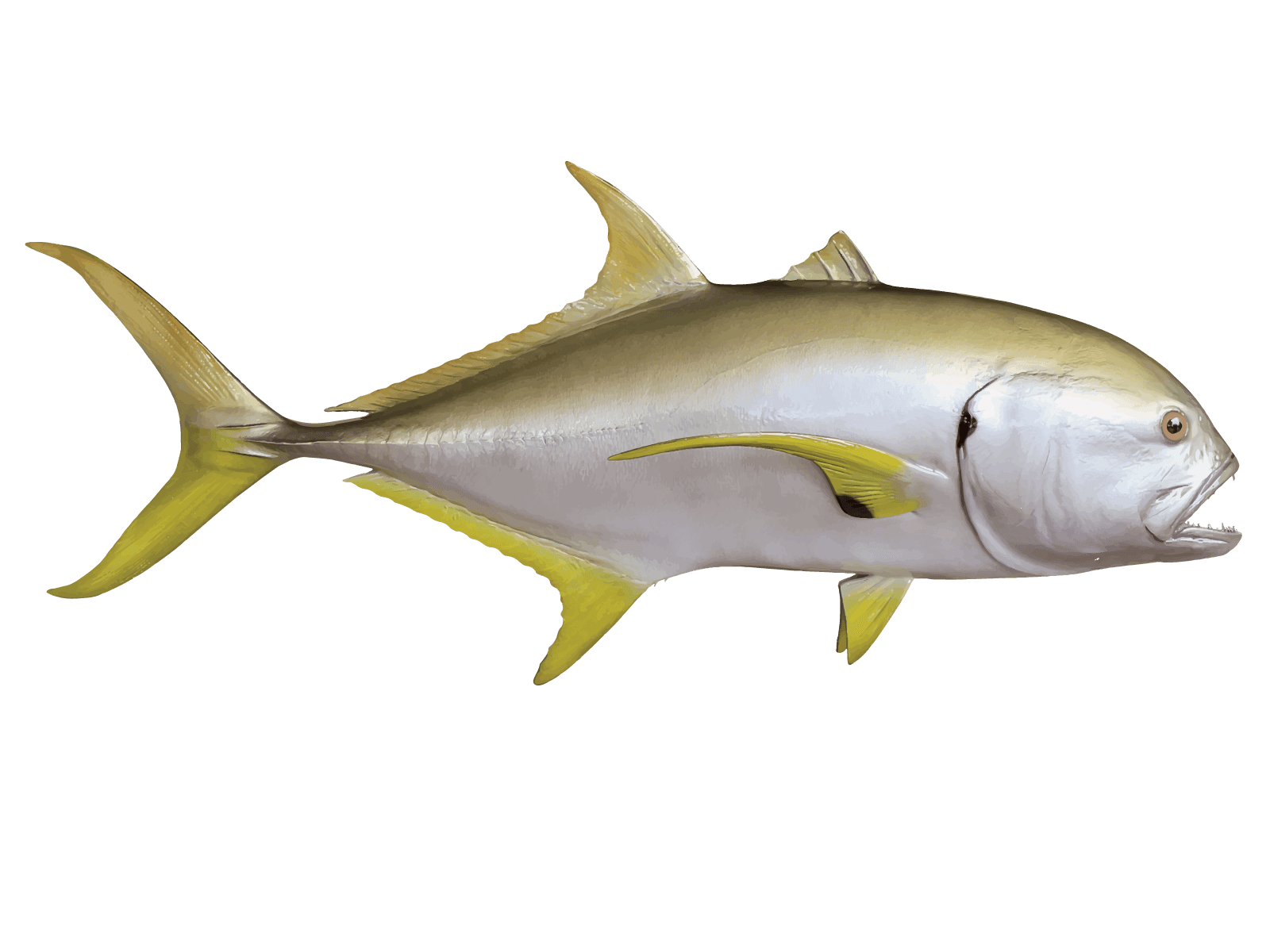
Crevalle Jack Overview
The Crevalle Jack (Caranx Hippos) is a magnificent and powerful member of the Carangidae family within the Perciformes order. These fish are instantly recognizable by their brassy green to blue backs, shimmering golden sides, white bellies, and vibrant yellow or gold coloring on their tails and fins. Often spotted in Florida's shallow waters and throughout the Gulf of Mexico, the Crevalle Jack has earned a legendary reputation among anglers as one of the most exciting game fish in North America. What makes them truly special is their aggressive, bullish nature combined with an unexpected friendliness—schools of Crevalle Jack have been known to approach and swirl around curious divers, possibly drawn by bubbles or simple curiosity. They're not just a favorite for sport fishing; they're also commercially important and a fascinating subject for anyone interested in marine ecosystems and coastal fishing culture.
Crevalle Jack Habitat and Distribution
Crevalle Jack thrive in the warmer waters of the Atlantic Ocean, with their range extending from the eastern coastal waters of the United States all the way to the eastern coast of South America, as far south as Argentina. The Caribbean Sea and Central American coasts also support healthy populations. Within this broad geographic range, Florida—especially the Keys—Texas, and the Gulf of Mexico are absolute hotbeds for encountering these fish. These adaptable creatures occupy remarkably diverse habitats, from shallow seagrass beds, sand-bottomed bays, and reef structures to deeper offshore waters exceeding 1,100 feet in depth. They're equally comfortable in brackish waters and freshwater tributaries, though these occurrences are rare. A particularly interesting behavior is their attraction to man-made structures like oil rigs and floating vegetation mats, which they use as hunting platforms. Juvenile fish prefer shallower environments, while larger adults venture into deeper territories, allowing anglers to find them across multiple water column depths throughout the year.
Crevalle Jack Size and Weight
While Crevalle Jack can reach impressive proportions—up to 4 feet in length and weighing 60 pounds—the average angler encounters fish in the 15 to 24-inch range, typically weighing between 3 to 5 pounds. The current world record, a remarkable specimen caught off the coast of Angola in Africa, weighed an astounding 66 pounds and stands as a testament to the growth potential of these fish. Interestingly, female Crevalle Jack tend to grow larger than their male counterparts, so landing a trophy-sized fish may well be a female. This size variation makes fishing for Crevalle Jack exciting at any level—whether you're a beginner targeting schooling juveniles in the shallows or an experienced angler hunting trophy-class fish in offshore waters.
Crevalle Jack Diet and Behavior
Crevalle Jack are aggressive, opportunistic predators that earn their reputation as the bullies of the ocean. They feed voraciously on smaller fish, particularly mullet, sardines, and herring, and they're known for their high-speed, relentless chase patterns when hunting prey. One fascinating behavior reported by numerous anglers is the distinctive watermelon-like scent that sometimes emanates from feeding schools—a phenomenon that serves as an excellent indicator of active fish nearby. Unlike many schooling fish species, Crevalle Jack rarely jump while feeding at the surface, preferring instead to push baitfish to the top where opportunistic seabirds attack from above. This behavior creates a telltale sign for observant anglers: schools of diving and attacking birds often mark the location of feeding Crevalle Jack. These fish reach sexual maturity between 5 and 6 years of age and can live 17 years or more in the wild. They're particularly known for their curious, social nature—divers frequently report that schools approach and circle them, seemingly drawn to the bubbles or simply investigating these unusual visitors to their domain.
Crevalle Jack Spawning and Seasonal Activity
Crevalle Jack reach reproductive maturity at 5 to 6 years of age and engage in spawning activities that drive seasonal aggregations throughout their range. While specific spawning timing varies by geographic location, these fish tend to be most active and aggressive during warmer months when water temperatures rise and baitfish populations peak. Their schooling behavior intensifies during these periods, making them more predictable for anglers willing to read the water and observe bird activity patterns. In Florida and the Gulf of Mexico, spring through fall generally represents peak activity seasons, though mild winters mean year-round fishing opportunities are possible. Understanding local seasonal patterns—which vary from the Keys to Texas to deeper offshore waters—is essential for consistently finding and catching these dynamic fish.
Crevalle Jack Techniques for Observation and Capture
Method 1: Bird-Following and Surface Feeding
One of the most reliable techniques for locating Crevalle Jack is to actively search for schools of birds diving and attacking the water's surface. Position your boat to intercept these feeding frenzies, and cast your lure or bait just beyond the school's edge. Rapid retrieve is absolutely critical—the aggressive chase instinct of Crevalle Jack means fast, continuous movement triggers strikes. Topwater plugs and hard plastic baits imitating mullet, sardines, or herring excel in this scenario. Cast over and away from the school, then retrieve with quick, jerky motions. Around the Florida Keys and Gulf Coast flats, this sight-casting technique during dawn or dusk can yield explosive action.
Method 2: Deep Water Jigging and Structure Fishing
When Crevalle Jack move into deeper offshore waters—around wrecks, reefs, or oil rigs—quick and aggressive vertical jigging becomes highly effective. Drop heavy jigs to the structure and work them with sharp, rapid movements to trigger strikes from deeper-water fish. Swimbaits and live bait presentations also work well in these environments. The key is maintaining active, aggressive motion; passive presentations rarely succeed with these bullish hunters.
Method 3: Fly Fishing and Sight Casting
Fly anglers targeting Crevalle Jack should focus on large streamer flies and topwater popper patterns, with flies exceeding one inch in length to ensure maximum visibility and enticing action. In shallower backcountry environments and flats, sight-casting to visible schools provides some of the most exciting angling experiences available. The aggressive takes and powerful runs of Crevalle Jack on fly tackle are legendary, making this method particularly rewarding for experienced fly fishermen.
Crevalle Jack Culinary and Utilization Notes
While Crevalle Jack are primarily targeted as game fish for the thrill of the catch, their culinary reputation remains modest at best. The meat can be consumed but is generally considered inferior in flavor and texture compared to other premium table fish, rating as poor odds for food quality. Many anglers practice catch-and-release to preserve populations and focus on the sporting experience rather than the meal. From a commercial fishing perspective, Crevalle Jack do play an important role in coastal fisheries, particularly in developing nations where they represent valuable protein sources. For most recreational anglers in developed markets, the appeal lies entirely in the spectacular fight, aggressive behavior, and the challenge of landing these powerful fish rather than their culinary potential.
Crevalle Jack Frequently Asked Questions
Q: What is the best bait and lure choice for catching Crevalle Jack?
A: Crevalle Jack respond exceptionally well to silver spoons, hard and soft plastic baits imitating mullet, sardines, and herring, crankbaits, and swimbaits. Live bait—particularly mullet, herring, or sardines—also produces excellent results. The key is maintaining fast, aggressive retrieves that trigger their chase instinct. Fly anglers should use large streamer flies and topwater poppers with baitfish patterns, preferably over one inch in size.
Q: Where can I find Crevalle Jack near major fishing destinations?
A: Florida—particularly the Florida Keys, Gulf of Mexico, and Texas—are prime locations for Crevalle Jack fishing. They inhabit seagrass beds, sand-bottomed bays, shallow-water reefs, and deeper offshore structures. Watch for schools of diving birds as the most reliable indicator of feeding fish. Deeper waters around wrecks, oil rigs, and offshore reefs also hold populations of larger adult fish.
Q: How can I identify an active feeding school of Crevalle Jack?
A: Look for schools of seabirds diving and attacking the water's surface—this is the classic sign of Crevalle Jack pushing baitfish to the surface. Some anglers also report smelling something similar to watermelon when approaching feeding schools. Unlike many schooling fish, Crevalle Jack rarely jump at the surface, so relying on bird activity is more reliable than watching for surface disturbance.
Q: Are Crevalle Jack good to eat?
A: Crevalle Jack are rated as poor-quality food fish and are primarily pursued as game fish rather than for dining purposes. Most anglers practicing catch-and-release focus on the exciting fight and aggressive behavior rather than the meal. They do have commercial value in some regions but are not considered a premium table fish compared to other species.
Q: What is the typical size of Crevalle Jack I can expect to catch?
A: Most recreational anglers encounter fish in the 15 to 24-inch range, weighing between 3 to 5 pounds. However, Crevalle Jack can reach up to 49 inches and 60 pounds, with trophy-class fish requiring patience and targeting deeper offshore waters. The current world record stands at 66 pounds, caught off Angola in Africa.
Q: How long do Crevalle Jack live, and when do they mature?
A: Crevalle Jack reach sexual maturity between 5 and 6 years of age and can live 17 years or more in the wild, allowing anglers multiple opportunities to encounter fish of varying sizes and experience levels. This longevity supports stable populations in well-managed fisheries.